


Wireless vs KNX Home Automation: 15-Year Expert Comparison Guide!
Choosing a home automation system is not just about technology. It’s about making a long-term decision for your home, your comfort, and your lifestyle. In the last 15 years of working in smart home projects, from luxury villas to modern apartments, one question comes up again and again:
Should I go for wireless automation or KNX home automation?
If you are confused, this guide will give you a clear answer, without marketing hype, without bias. Let’s break it down in simple terms.
What is KNX Home Automation?
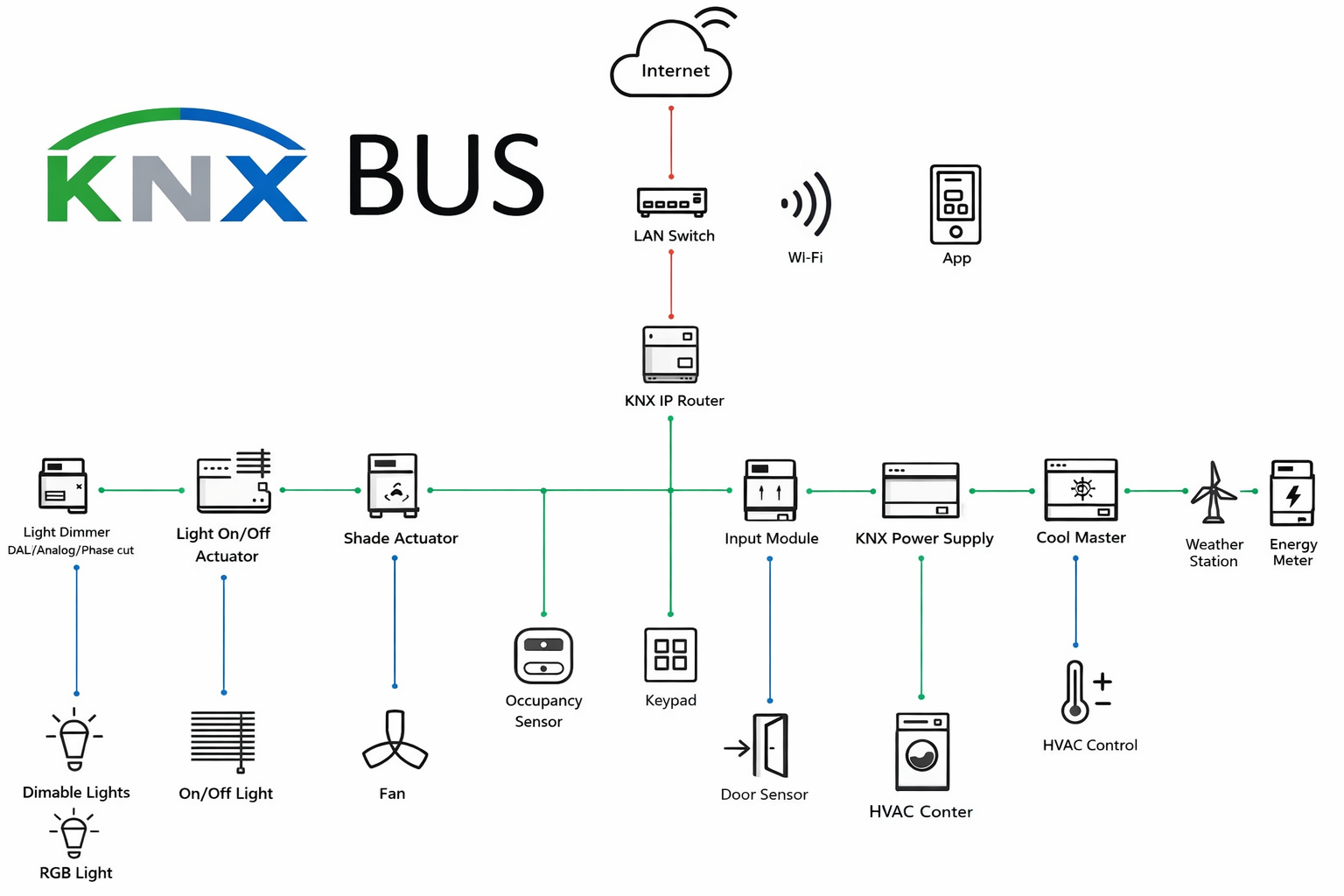
KNX home automation is a globally recognized wired automation standard used in residential and commercial buildings. KNX automation system connects lighting, AC, curtains, security, sensors, and other devices through a dedicated bus cable network. It is widely used in:
- Luxury villas
- Hotels
- Commercial offices
- Large residential projects
- High-end apartments
KNX is not a brand. It’s an international protocol managed by the KNX Association and used worldwide for homes and building automation. It is often regarded as the benchmark for KNX building automation.
What is wireless home automation?
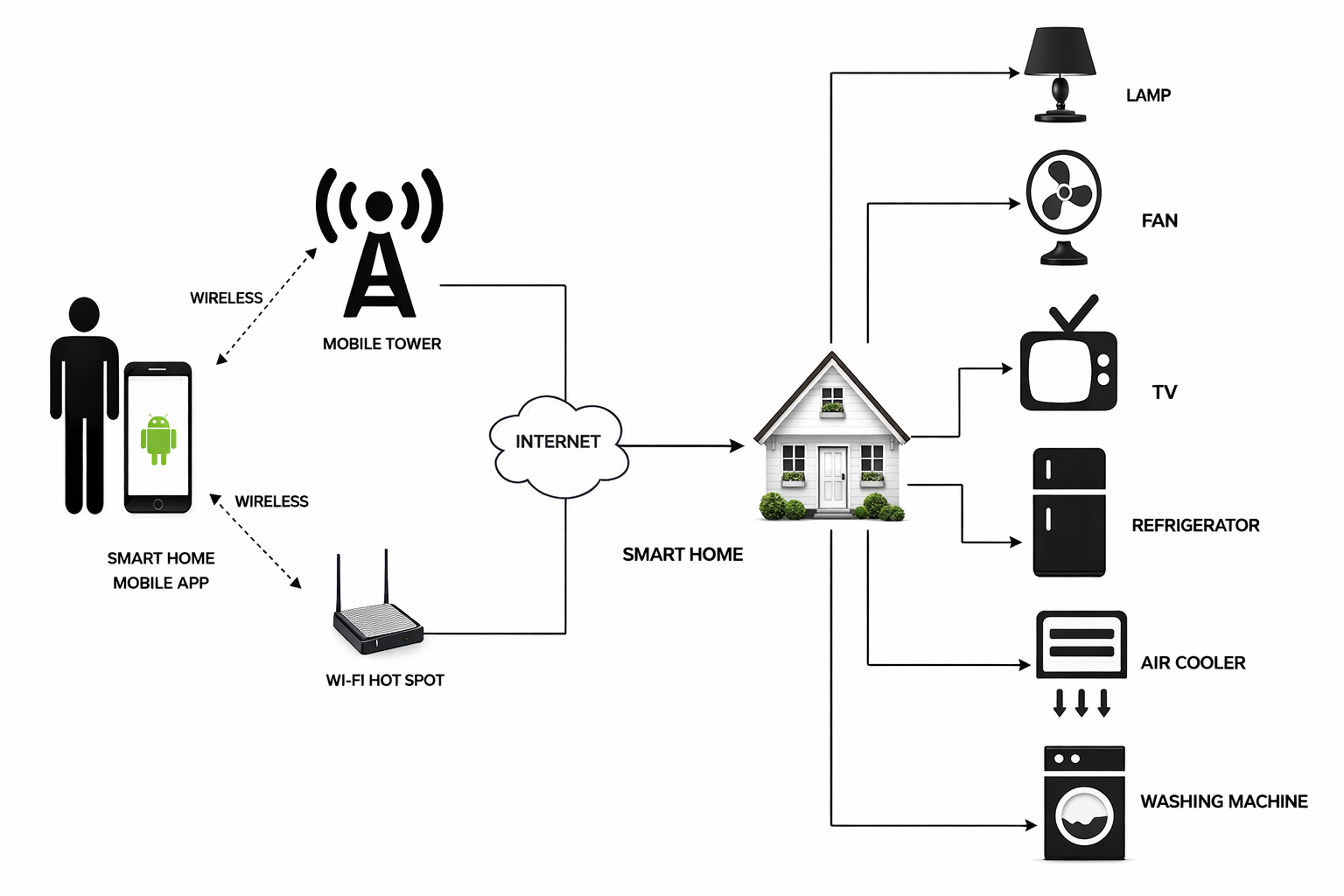
Wireless home automation is a smart way to control lights, fans, AC, curtains, and other devices without running new cables inside the walls. Instead of a wired network, devices communicate through technologies like WiFi, Zigbee, Z-Wave, or Bluetooth. it means your switches, sensors, and controllers talk to each other wirelessly — and you control everything through a mobile app or voice assistant.
Where is wireless automation commonly used?
In real-world projects, wireless systems are mostly chosen for:
- Homes that are already fully constructed
- Rental apartments where wall modifications aren’t allowed
- Budget-friendly smart home upgrades
- Small flats or 2–3 BHK apartments
One major reason people prefer wireless automation is installation convenience. There’s no wall cutting, no major rewiring, and the setup can usually be completed quickly. convenience alone should not be the deciding factor.
A system that is easy to install is not always the best long-term solution, especially for large homes or premium projects. Now, let’s compare it properly with KNX automation and see which one truly fits different types of homes.
1. Installation: Wired vs. Wireless
KNX Automation System
- Requires structured wiring.
- Best installed during the construction stage.
- I need professional programming.
- Slightly higher installation planning.
However, once installed correctly, it becomes extremely stable.
Wireless Automation
- Easy retrofit installation.
- No wall breaking.
- Faster setup.
- Ideal for already built homes.
Expert Advice (15 Years' Experience):
If your home is under construction, go for KNX wired automation.
If your home is already finished, wireless may be practical.
2. Reliability & Stability
This is where most people misunderstand.
KNX Home Automation
- Dedicated communication bus.
- No dependency on WiFi.
- Extremely stable.
- Works even when the internet fails.
In 15 years, properly installed KNX systems rarely fail.
Wireless Automation
- Depends on signal strength.
- Can face connectivity issues.
- Router failure can affect devices.
- Signal interference possible.
For small homes, it works fine.
For large villas, instability becomes noticeable.
3. Scalability (Future Expansion)
KNX Building Automation
KNX is highly scalable. You can add:
- More lighting circuits
- More sensors
- HVAC control
- Energy monitoring
- Commercial automation
Without replacing the whole system.
Wireless Systems
Scalability depends on:
- Router capacity
- Device compatibility
- Brand ecosystem
- Sometimes mixing brands causes issues.
If you plan long-term expansion, KNX wins.
4. Cost Comparison
Let’s talk honestly.
Wireless Automation
- Lower initial cost
- Suitable for small budgets
- Faster ROI
KNX Automation System
- Higher initial investment
- Long-term durability
- Premium positioning
However, here’s the truth most installers won’t tell you:
Over 10–15 years, KNX often becomes more cost-efficient because it doesn’t require frequent device replacements. Wireless devices may need upgrades sooner.
5. Performance in Luxury Homes
For luxury villas, large farmhouses, and commercial buildings:
- KNX offers centralized control.
- Structured system architecture
- Higher customization
- Stronger integration capabilities
This is why most high-end builders prefer KNX building automation.
Wireless systems
- 2–3 BHK apartments
- Small homes
- Quick upgrades
6. Maintenance & Service
KNX Automation
- Needs trained integrators.
- System diagnostics available.
- Long-term support possible.
Wireless Automation
- Easier device replacement.
- DIY-friendly in some cases.
- May face compatibility issues after software updates.
In professional projects, maintenance reliability matters more than convenience.
7. Security & Data Protection
KNX Automation
- Closed wired network.
- Less vulnerable to hacking.
- Not dependent on cloud servers.
Wireless Automation
- Internet connected.
- Cloud-based in many cases.
- Requires proper network security.
For commercial buildings, KNX building automation offers stronger control.
8. Lifespan
KNX automation systems are built for long-term performance. When installed correctly, they can run smoothly for 15 to 20 years — sometimes even longer — without major replacements.
On the other hand, wireless systems usually evolve faster. Depending on the brand and technology updates, upgrades or device replacements may be needed within 5 to 8 years.
9. Integration with Other Systems
KNX integrates smoothly with:
- HVAC systems
- BMS
- Security systems
- Audio-video
- Energy management
Wireless systems integrate well within brand ecosystems but may face cross-brand limitations.
When Should You Choose KNX Home Automation?
Choose KNX if:
- You are constructing a new villa.
- You want premium automation.
- You need commercial-level reliability.
- You plan long-term investment.
- You want scalable building automation.
When Should You Choose Wireless Automation?
Choose wireless if:
- Your home is already built
- You want a budget-friendly solution.
- You need quick installation.
- You live in an apartment.
- You prefer flexible upgrades.
KNX vs Wireless - 15 Years Honest Opinion
After delivering numerous projects over the years, we’ve learned that the decision isn’t about which system is “best” — it’s about which system fits your situation.
If your home is under construction and you’re planning for the long term, KNX home automation offers unmatched stability and future scalability.
If you prefer faster execution, lower upfront investment, and minimal structural changes, wireless automation can be a smart and practical choice.
There’s no absolute winner here — only the right solution for your specific needs.
Conclusion
Home automation is not just technology. It’s infrastructure.
Wireless systems offer flexibility.
KNX offers structure and long-term reliability.
The right decision depends on:
- Budget
- Property size
- Construction stage
- Long-term vision
If you are planning smart home automation for your home, consult an experienced integrator before deciding.
Because automation is not something you change every year.
It’s something you live with every day.
FAQs
Is KNX better than wireless automation?
For reliability and scalability, yes. For budget and quick installation, wireless is better.
Is the KNX automation system expensive?
Yes, but it offers long-term value and durability.
Can KNX be installed in an existing home?
It’s possible but may require rewiring. Best installed during construction.
Is KNX building automation used in commercial projects?
Yes, it is widely used in hotels, offices, and large buildings globally.